A Little Preventative Maintenance Goes a Long Way
It’s Saturday night, you’re fully booked, and your walk-in chiller stops working. Suddenly, you’re facing thousands of pounds in spoiled stock, a dining room full of disappointed diners, and an emergency repair bill that could have paid for a month’s worth of routine maintenance.
Sound familiar? For restaurant and food service operators, equipment breakdowns aren’t just inconvenient—they’re potentially devastating. The good news? Most of them are completely preventable.
The Hidden Cost of "Running It Until It Breaks"
In the restaurant business, there’s always something demanding your immediate attention. It’s tempting to put off maintenance tasks when equipment seems to be working fine. But this approach costs you far more than you realise:
Unexpected downtime during service is a nightmare scenario. When your fryer dies during dinner service or your glasswasher fails on a Friday night, you’re not just paying for emergency repairs you’re losing revenue, disappointing customers, and putting enormous stress on your staff.
Inefficiency eats into your margins. A refrigerator with dirty coils uses up to 35% more energy. An oven with a faulty seal takes longer to heat and cooks unevenly. A worn-out ice machine produces less ice and works harder doing it. These small inefficiencies compound daily, quietly draining your profits.
Food safety risks multiply. Inconsistent temperatures, malfunctioning thermostats, and failing equipment seals create the perfect conditions for health code violations, food waste, and potentially serious safety issues.
Regular Checks: Your Kitchen's Best Insurance
A systematic approach to equipment maintenance protects your operation in ways that pay off every single day:
- Catch problems before service. That odd sound from the exhaust hood? The ice machine that’s cycling more frequently? Addressing these warning signs during a slow Tuesday afternoon is infinitely better than discovering a complete failure on Saturday night.
- Extend equipment lifespan. Commercial kitchen equipment represents a massive investment. Regular maintenance can add years to your fryer, oven, refrigeration units, and dishwasher—delaying those painful capital expenditures.
- Keep food safety standards high. Consistent temperature monitoring, gasket inspections, and cleaning schedules help you maintain the food safety standards your reputation depends on.
- Stay Environmental Health ready. Documentation of routine maintenance and cleaning isn’t just good practice—it’s evidence of your commitment to food safety when the Environmental Health Officer walks through your door.
The Restaurant Reality: Why Maintenance Gets Skipped
Let’s be honest about why maintenance falls through the cracks in food service operations:
You’re already wearing a dozen hats. Between managing staff, ordering inventory, handling customer issues, and actually cooking, who has time to remember that the grease trap needs servicing or the water filtration system needs a filter change?
Your team turns over. The person who used to check the walk-in temperatures every morning left three months ago, and nobody’s quite sure if the new opener knows that’s part of the routine.
Everything feels urgent. When you’re slammed with a full dining room, calibrating the oven or cleaning refrigerator coils seems like something that can wait. Except it can’t if you want to avoid bigger problems down the road.
This is exactly why you need a system that doesn’t rely on memory or good intentions.
Build Your Kitchen Maintenance Checklist
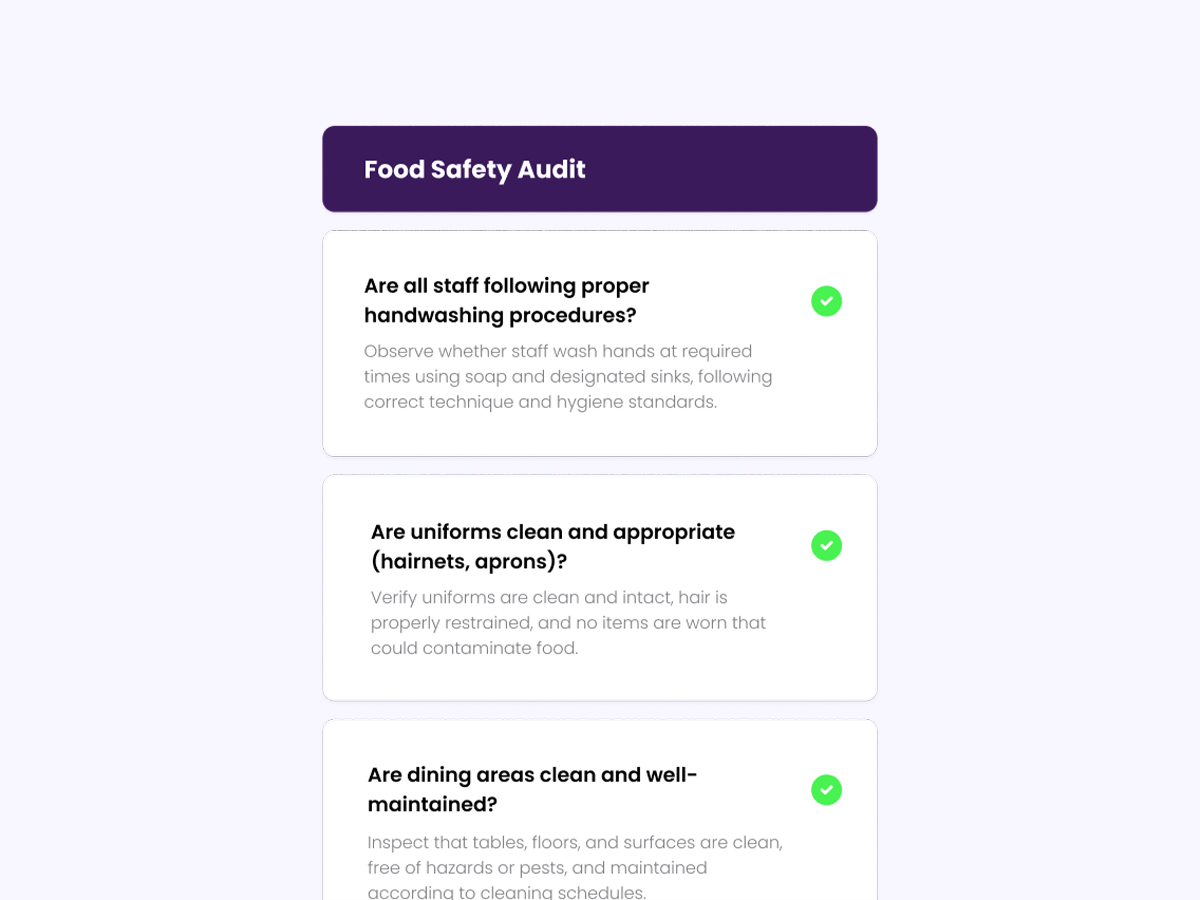
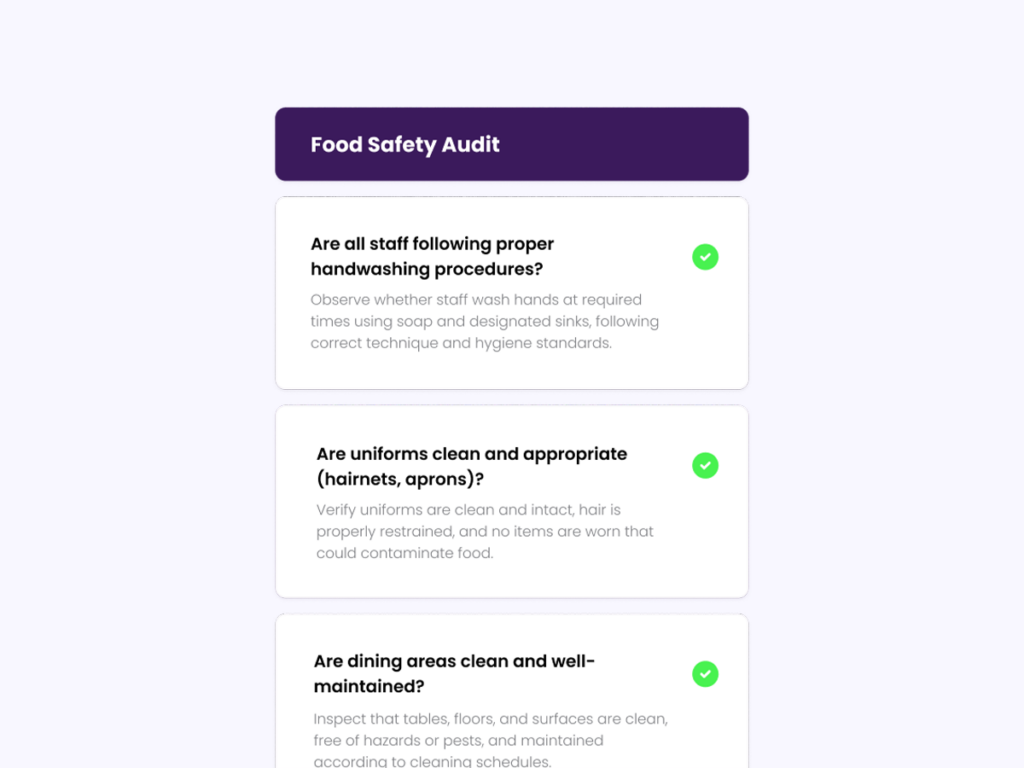
Kitchtech helps you create detailed maintenance checklists for every piece of equipment in your operation:
- Daily tasks: Temperature logs for all refrigeration, checking ice levels, cleaning griddles, emptying grease traps
- Weekly tasks: Deep-cleaning fryers, checking door seals and gaskets, sanitising ice machines, inspecting pilot lights
- Monthly tasks: Extraction system filter changes, canopy cleaning verification, glasswasher descaling, equipment calibration
- Quarterly/Annual tasks: Professional extraction system cleaning, refrigeration coil cleaning, appliance inspections, fire suppression system servicing
Each checklist can include photos, specific instructions, and notes so any team member can complete the task correctly—even if they’re new.
Schedule Routine Inspections That Actually Happen
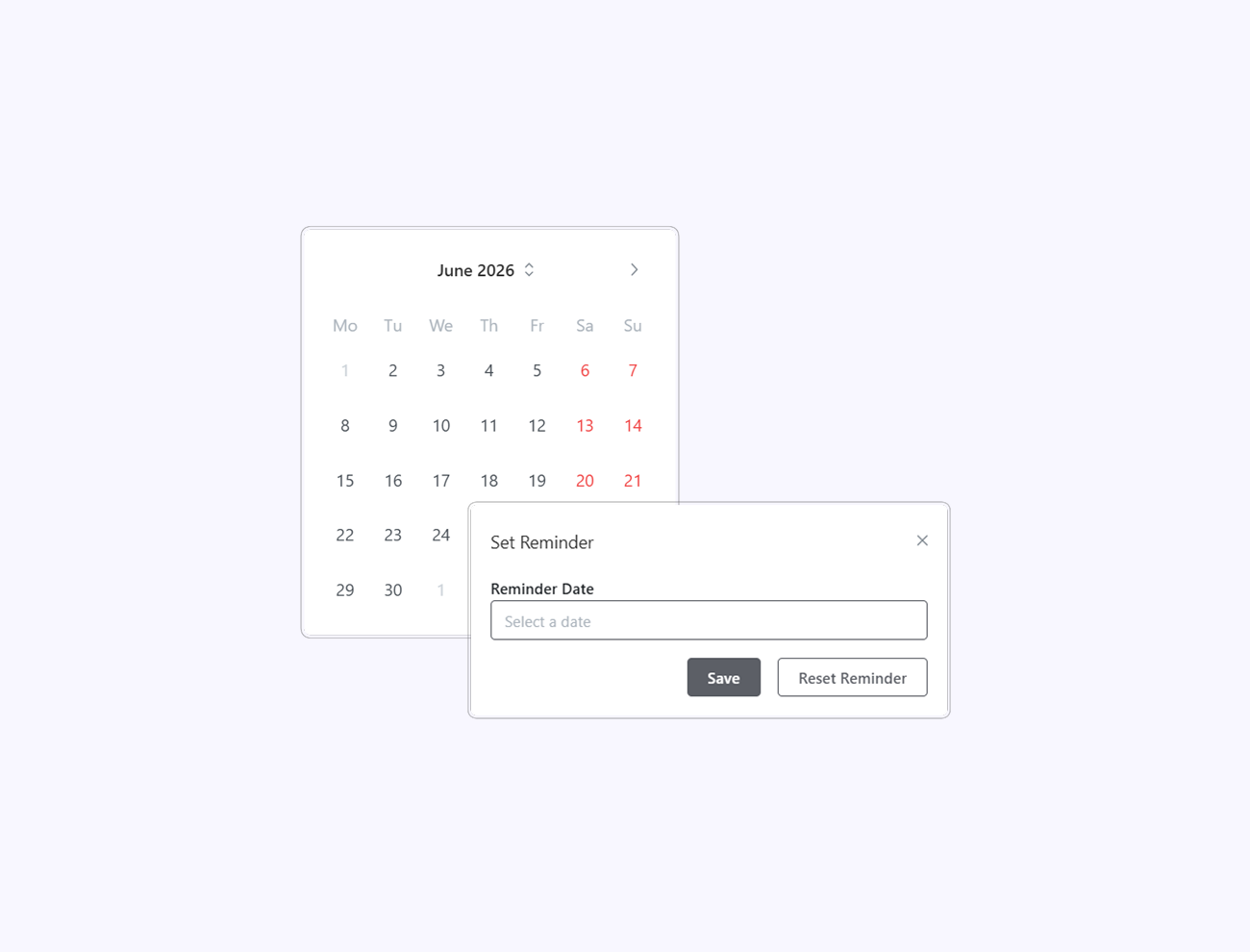
Scheduling features eliminate the mental load and ensure nothing falls through the cracks:
- Automated daily reminders for opening and closing checklists
- Assign tasks to specific shifts or team members so accountability is crystal clear
- Track completion in real-time with timestamps and digital signatures
- Get alerts for overdue tasks before they become emergencies
- Build a complete maintenance history for every piece of equipment, invaluable for warranty claims and resale value
Nothing Gets Missed
Imagine knowing with absolute certainty that:
- Every fridge and freezer temperature was logged this morning
- The grease trap was serviced on schedule
- The extraction filters were checked and cleaned weekly
- The ice machine sanitisation happened on time
- Every piece of equipment has a documented maintenance history
No more wondering “Did the closing shift check the walk-in last night?” No more discovering the glasswasher hasn’t been serviced in eight months. No more scrambling to recreate maintenance records when the Environmental Health Officer asks to see them.
Just complete confidence that your kitchen is being properly maintained, shift after shift.
Start With Your Mission-Critical Equipment
You don’t need to implement a comprehensive maintenance programme overnight. Start with the equipment that would hurt you most if it failed:
Refrigeration and freezers: Your cold storage is protecting thousands of pounds in stock and keeping food safe. Daily temperature checks and monthly coil cleaning are non-negotiable.
Cooking equipment: Your range, ovens, fryers, and griddles are your revenue generators. Keep them calibrated, clean, and functioning efficiently.
Glasswashing systems: A broken glasswasher during service brings your entire operation to its knees. Regular descaling and maintenance keep it running when you need it most.
Create simple checklists for these critical systems first. Once your team gets into the rhythm and you see the benefits, expand to include extraction systems and other equipment.
The Bottom Line for Restaurant Operators
In food service, your equipment isn’t just assets on a balance sheet—it’s what allows you to serve diners, maintain quality, and keep your doors open. A little preventative maintenance really does go a long way.
Regular equipment checks help you avoid the disasters that can tank a service, reduce the energy waste that eats into already thin margins, and maintain the food safety standards your reputation depends on.
Our app makes it simple to create comprehensive checklists and schedule routine inspections so nothing gets missed—even during your busiest weeks.
Because in the restaurant business, you can’t afford to wait until something breaks. By then, it’s already cost you far more than prevention ever would have.
Ready to protect your operation? Start building your first maintenance checklist today and give yourself one less thing to worry about.